A Remarkable Story Hidden in Southern Poland
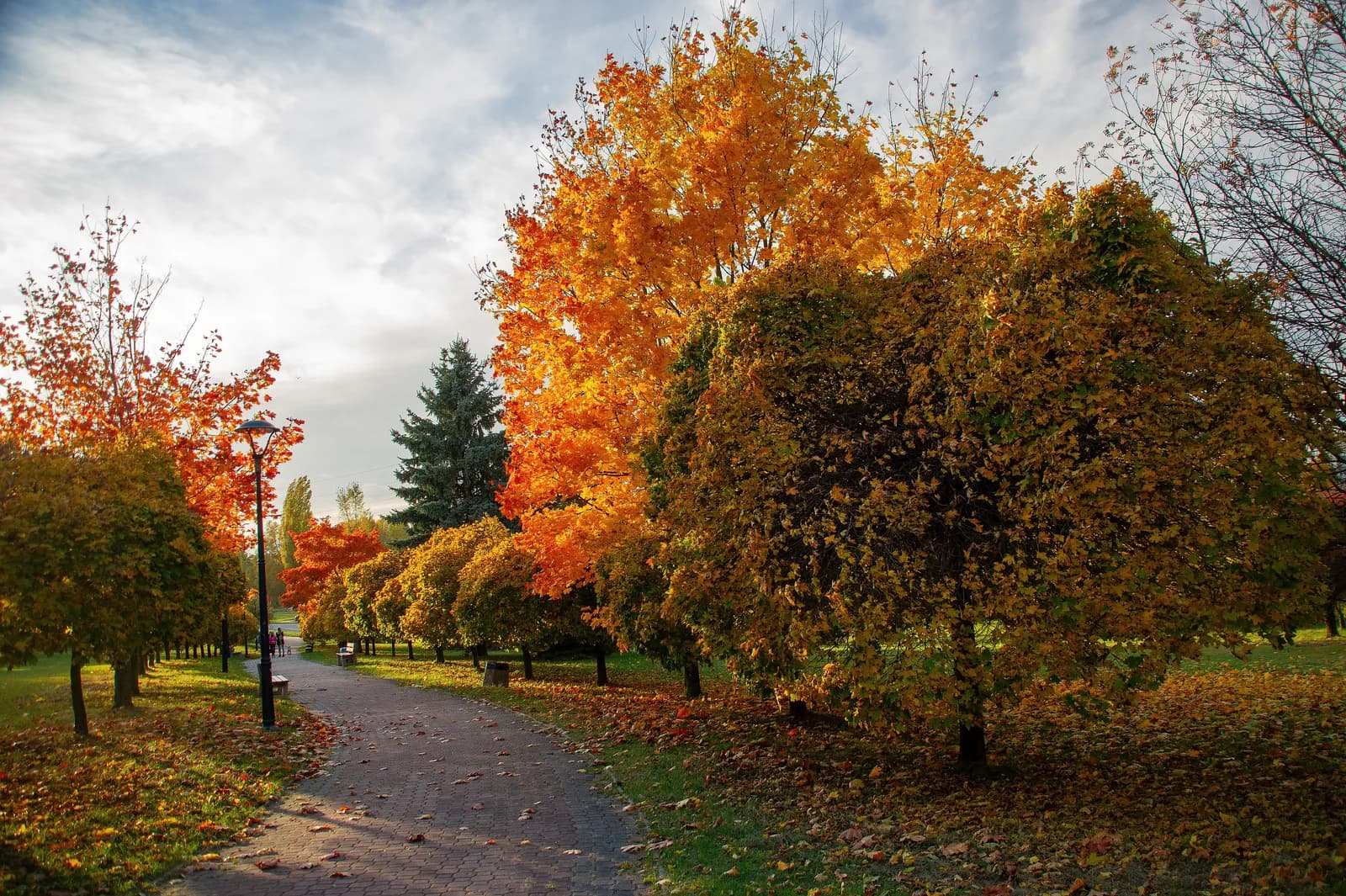
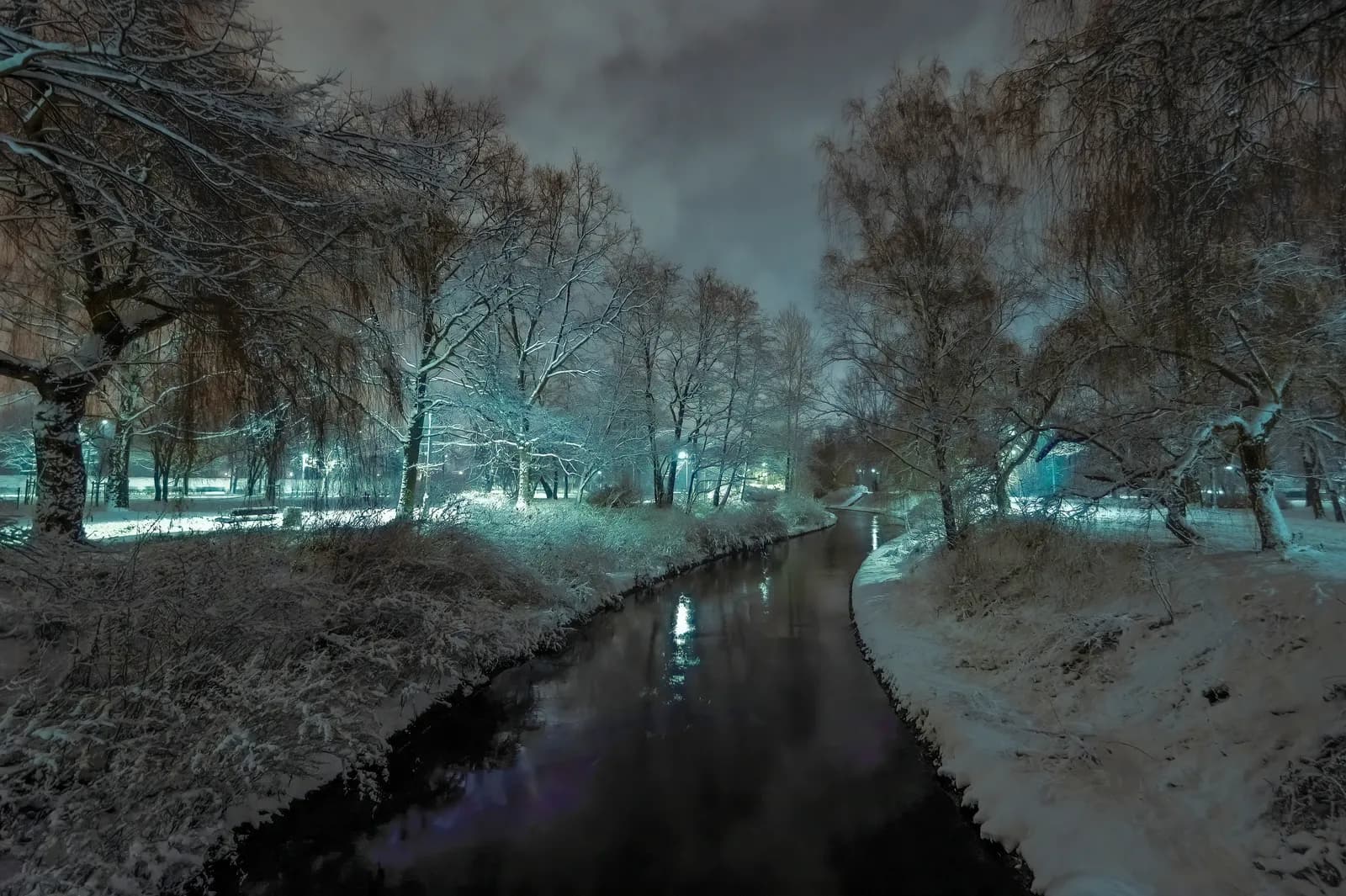
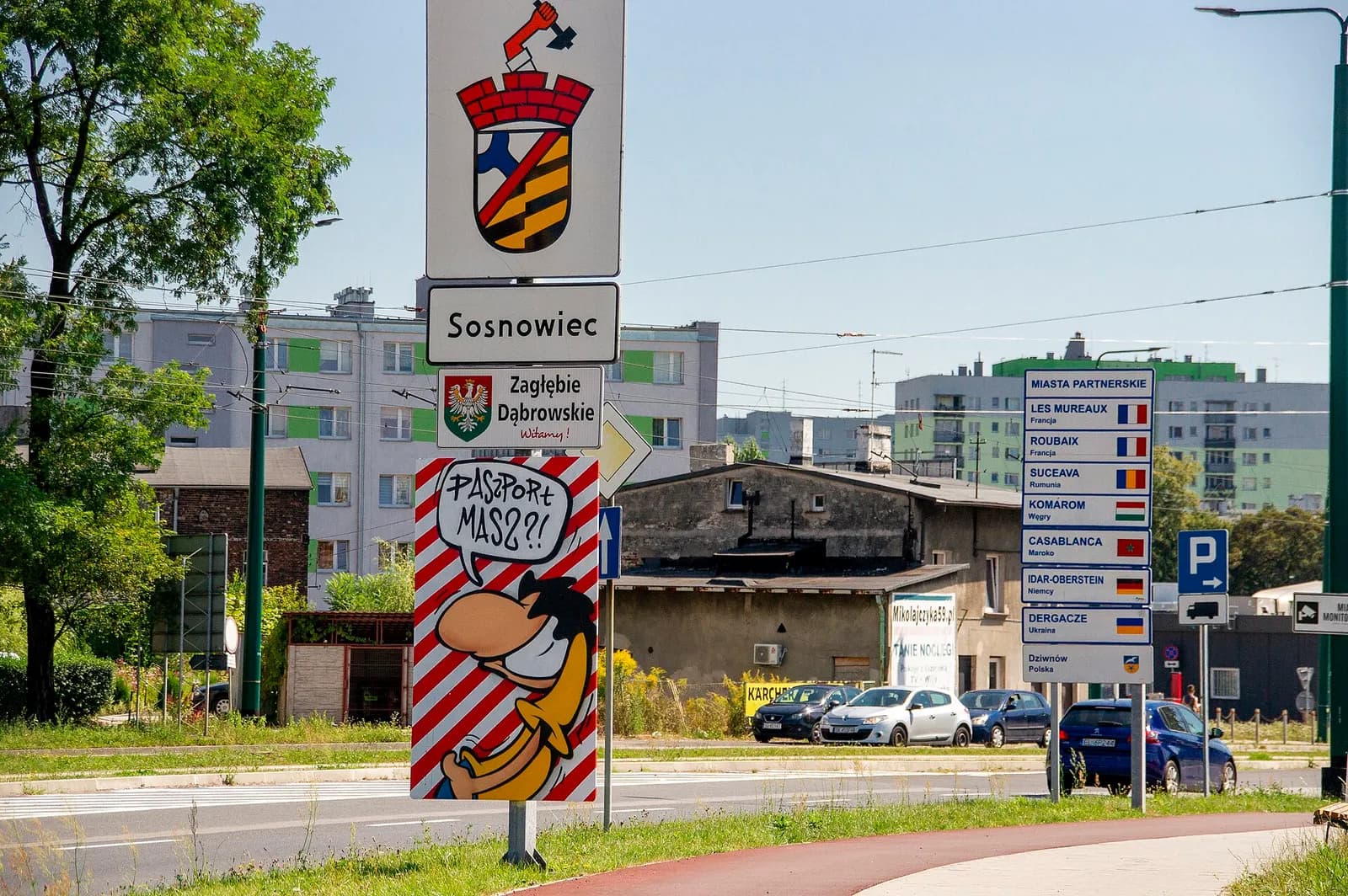
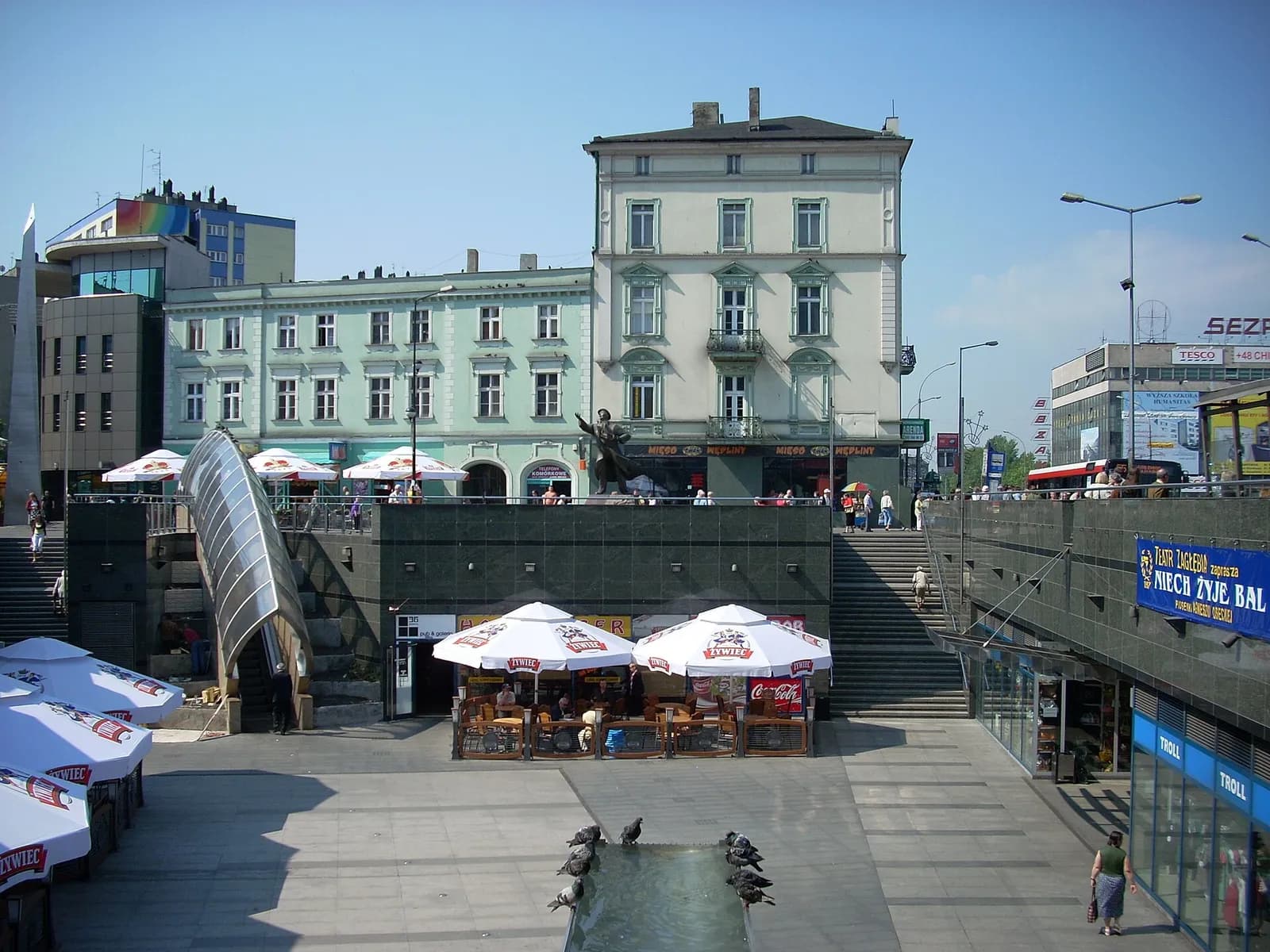
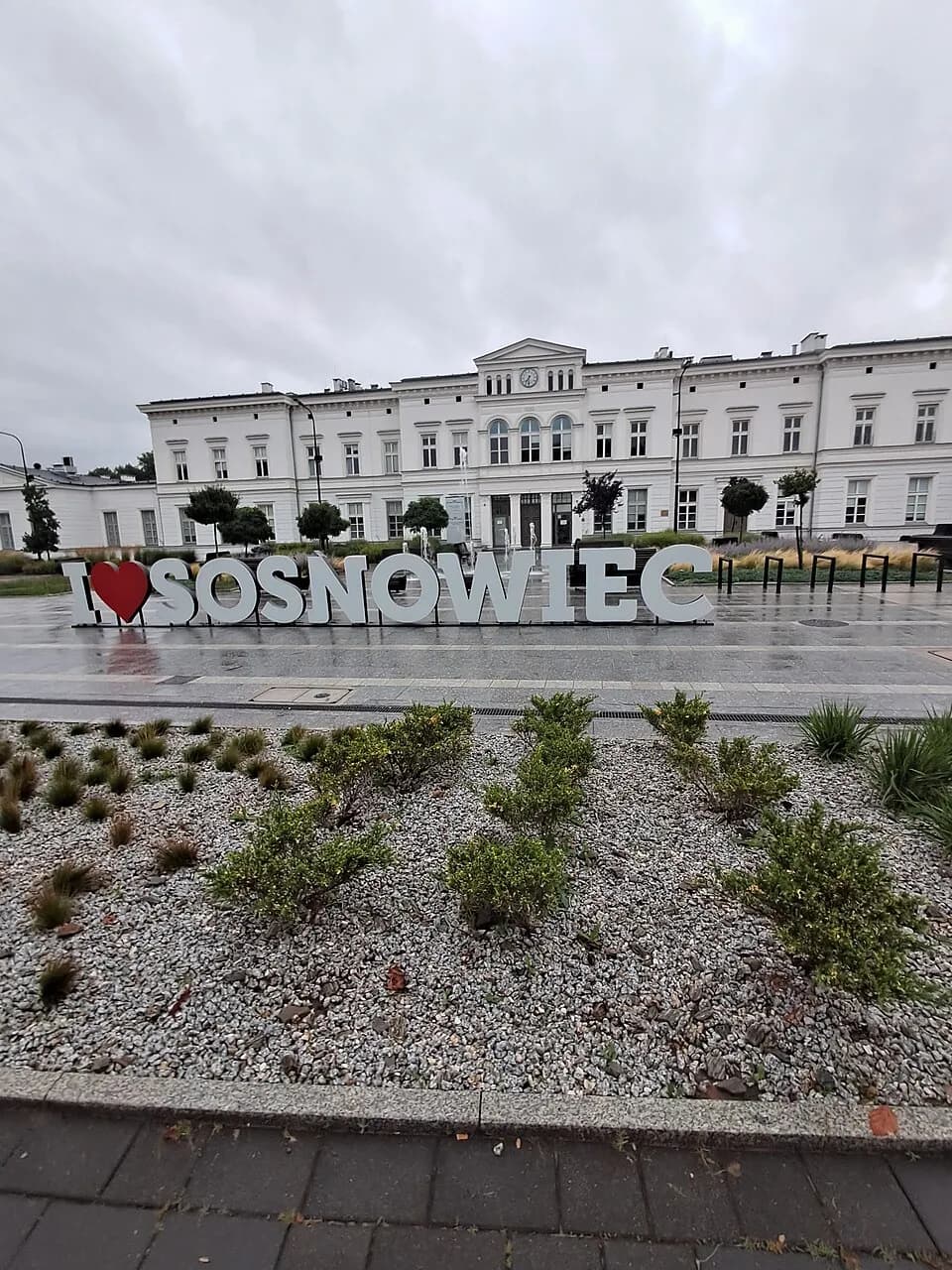
Standing at the heart of Zagłębie Dąbrowskie, Sosnowiec is a city where history is woven into the landscape. Elegant palaces stand alongside former factories, leafy parks occupy land once dominated by heavy industry, and neighbourhoods that began as separate villages have grown into one of southern Poland's most distinctive urban centres. From its first recorded mention in 1227 to its rise as an industrial powerhouse at the crossroads of three empires, the history of Sosnowiec is a story of ambition, resilience and continual reinvention.
Unlike many Polish cities that grew around medieval castles or royal market squares, Sosnowiec owes its success to its natural resources and an extraordinary geographical position. Situated where the borders of three great European empires once converged, the city became a gateway for trade, industry and investment during the 19th century. Coal mines, steelworks and railways transformed its landscape, while people from different cultures and backgrounds helped shape a vibrant and diverse community.
Today, visitors can still discover reminders of that remarkable past through historic palaces, industrial architecture and cultural landmarks that celebrate one of Poland's most fascinating urban stories.
Medieval Beginnings
The earliest known reference to Sosnowiec appears in historical records dating from 1227, when it was little more than a rural settlement surrounded by forests and farmland. For centuries, life changed slowly. Small villages such as Sielce, Zagórze, Modrzejów, Milowice and Niwka developed independently, each contributing to the area that would eventually become the modern city.
Its location close to the Przemsza rivers made the region an important local crossing point, although few could have imagined that these waterways would one day mark the meeting place of three European empires.
For hundreds of years, agriculture remained the main occupation. Everything changed during the Industrial Revolution.
Where Three Empires Met
Few places in Europe occupied such a remarkable position as Sosnowiec during the late 19th century.
Just beyond today's city centre stood the Triangle of Three Emperors (Trójkąt Trzech Cesarzy), where the borders of the Russian Empire, the German Empire and Austria-Hungary met along the Black and White Przemsza rivers. Between 1871 and the outbreak of the First World War, this was one of the continent's most significant border points.
Merchants, railway workers, customs officials and travellers crossed paths here every day. Goods flowed between three political systems, while ideas, cultures and languages mixed in ways that gave Sosnowiec a distinctive identity unlike many other Polish cities.
Although the border has long since disappeared, the site remains an important symbol of the city's historical significance and continues to attract visitors interested in Poland's complex past.
Coal Beneath the Ground, Opportunity Above It
The discovery of rich coal deposits beneath the surrounding landscape transformed Sosnowiec from a rural community into a thriving industrial centre.
Mining expanded rapidly during the early 19th century, attracting workers, engineers and entrepreneurs from across the region. New collieries soon supported ironworks, steel production, glassworks and engineering factories, creating thousands of jobs and laying the foundations for decades of economic growth.
The city's fortunes accelerated further with the arrival of the Warsaw-Vienna Railway, one of the most ambitious transport projects in the Kingdom of Poland. Construction began in 1842, with full connections completed by 1869, linking Sosnowiec with Warsaw, Vienna and major markets throughout the Russian Empire.
The railway did far more than transport coal. It connected businesses with customers, encouraged migration and attracted foreign investment, rapidly transforming Sosnowiec into one of the leading industrial centres in what is now southern Poland.
The Customs War That Changed Everything
Sometimes history turns on unexpected events.
In 1877, Russia introduced tariffs during a customs conflict with Germany, making imported German goods significantly more expensive. Rather than lose access to the vast Russian market, many German industrial companies chose to establish factories inside the Russian-controlled Kingdom of Poland.
Sosnowiec quickly became one of the most attractive destinations.
Its railway station, customs chamber and location immediately beside the imperial border made it an ideal place for manufacturers seeking continued access to eastern markets. Investment poured into the growing city, bringing new technology, skilled workers and substantial economic expansion.
By the end of the 19th century, Sosnowiec had become one of the most dynamic industrial centres in the region.
A City Is Born
Although industry had flourished for decades, Sosnowiec officially received city rights in 1902.
The new municipality united neighbouring settlements, including Sielce and Zagórze into a single urban authority, recognising the remarkable pace of development already underway.
By this point, the population had reached around 60,000, making Sosnowiec one of the fastest-growing cities in the Kingdom of Poland.
Elegant villas belonging to industrialists stood alongside rows of workers' housing. New churches, schools, public institutions and commercial buildings reflected growing prosperity, while bustling streets revealed a city filled with ambition and opportunity.
Many of these historic buildings still form an important part of Sosnowiec's architectural character today.
A Multicultural Industrial Community
Industrial success attracted people from many backgrounds, helping create one of the region's most diverse urban populations.
Among the earliest documented Jewish residents was Abram Blumental, recorded in 1859 as both a tax collector and land purchaser. Over the following decades, the Jewish community became an essential part of Sosnowiec's commercial, financial and cultural life.
Jewish entrepreneurs established shops, workshops, banks and trading companies, while many residents worked as skilled craftsmen and professionals. By 1921, they accounted for more than 15 per cent of the city's population.
The creation of the Merchant Bank in 1926 further strengthened local business while supporting Zionist organisations, reflecting Sosnowiec's links with broader political and cultural movements across Europe.
Industrialisation also encouraged social activism. Difficult working conditions led many labourers to organise for better pay, safer workplaces and greater political freedoms. Organisations such as the Bund and Poale Zion developed underground movements in the city, while workers played an active role during the 1905 Russian Revolution.
War and Loss
The Second World War brought profound tragedy to Sosnowiec.
German forces occupied the city in September 1939, beginning years of persecution, forced labour and destruction. Before the war, approximately 26,000 Jewish residents lived in Sosnowiec, contributing enormously to its economic and cultural life.
The occupation also affected the wider population, with businesses seized, institutions dismantled, and everyday life transformed by repression and violence.
Today, memorials, museums and educational initiatives ensure these events remain an important part of Sosnowiec's collective memory.
Rebuilding and Reinvention
Following the war, heavy industry once again became the driving force behind Sosnowiec's economy.
Coal mines, steelworks and manufacturing plants expanded throughout the communist period, attracting thousands of new residents from across Poland. The city's population reached approximately 259,000 in 1987, its highest level on record.
The political and economic changes of the 1990s marked another turning point. Many traditional industries declined as Poland embraced a market economy, encouraging Sosnowiec to diversify into education, logistics, healthcare, retail and professional services.
Today, the city forms an important part of the Upper Silesian-Zagłębie Metropolis, one of Central Europe's largest urban regions, benefiting from excellent transport links and close cooperation with neighbouring cities including Katowice, Dąbrowa Górnicza and Będzin.
Landmarks That Bring History to Life
One of the best ways to understand the history of Sosnowiec is by exploring the places where that history unfolded.
Sielecki Castle
The city's oldest surviving historic building, Sielecki Castle, dates largely from the 17th century. Today it serves as a cultural centre hosting exhibitions, concerts and community events, offering a glimpse into the area's pre-industrial past.
The Schoen Palace
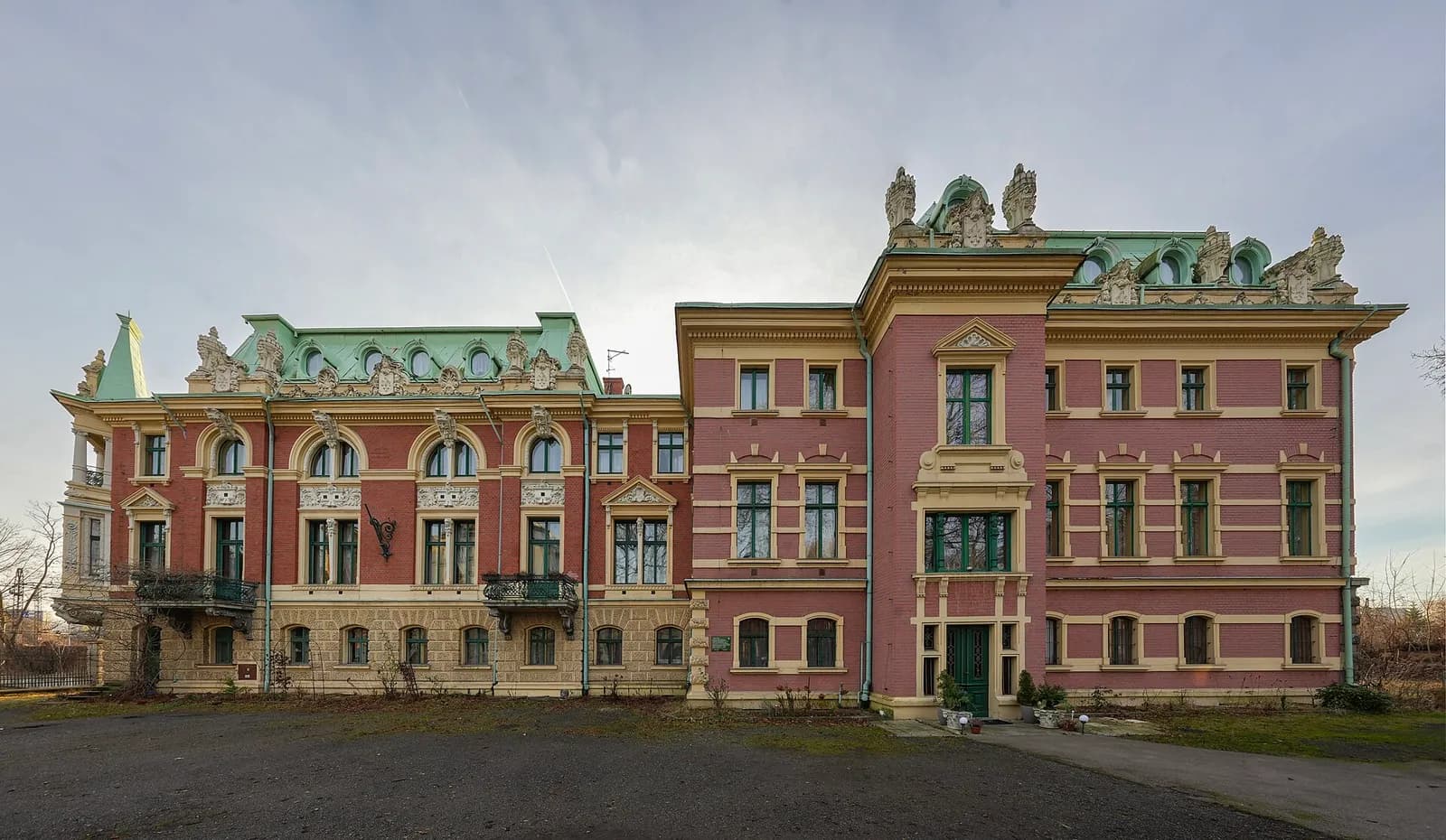
Surrounded by landscaped gardens, the elegant Schoen Palace was once home to one of the city's influential industrial families. It now houses the Sosnowiec Museum, where visitors can explore exhibitions on local history, fine art and industrial development.
Orthodox Church of Saints Vera, Hope, Love and Sophia
Built during the Russian Partition, this distinctive church reflects the multicultural character that developed as Sosnowiec expanded under imperial rule.
The Triangle of Three Emperors
Although little remains of the original border infrastructure, the site where three empires once met continues to be one of the area's most fascinating historical attractions. Standing here offers a unique perspective on the political geography that helped shape the city's remarkable growth.
Industrial Architecture
Former factories, railway infrastructure, workers' housing estates and historic commercial buildings remain scattered throughout Sosnowiec, quietly telling the story of a city built on coal, steel and entrepreneurship.
Why Visit Sosnowiec Today?
While neighbouring Katowice often takes centre stage, Sosnowiec offers visitors a different perspective on southern Poland.
Its blend of industrial heritage, elegant historic architecture, green parks and fascinating multicultural history makes it an increasingly rewarding destination for anyone interested in Poland beyond the traditional tourist trail.
Museums preserve the stories of entrepreneurs, workers and local communities. Historic landmarks reveal the city's rapid transformation during the Industrial Revolution, while modern cultural venues demonstrate how Sosnowiec continues to evolve.
Whether exploring the legacy of the Triangle of Three Emperors, discovering beautiful palace architecture or learning about the communities that built one of Poland's great industrial cities, visitors quickly discover that Sosnowiec has a story unlike anywhere else in the country.
A City Shaped by History
The history of Sosnowiec is ultimately a story of adaptation. Over eight centuries, it has evolved from a small medieval village into a major industrial powerhouse and, more recently, into a modern city embracing education, culture and new industries.
Its remarkable location, rich natural resources and resilient communities transformed it into one of the defining cities of Zagłębie Dąbrowskie. Although the mines and steelworks no longer dominate the skyline as they once did, their legacy continues to shape the city's identity through its architecture, museums and collective memory.
For residents, Sosnowiec is a city proud of its heritage while looking confidently towards the future. For visitors, it offers one of southern Poland's most compelling stories, where history is not confined to museum displays but woven into the streets, parks and neighbourhoods that continue to define the city today.